

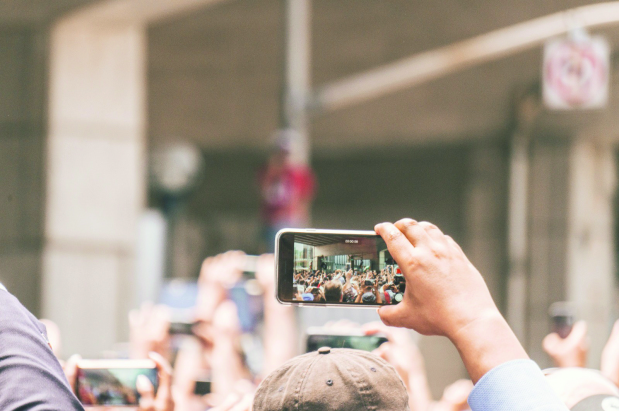
Citizens and residents have been urged to respect privacy laws by refraining from photographing, filming or sharing images of individuals without their consent, with a senior police official warning that violations could lead to legal action.
The reminder comes at a time when smartphones have made it easier than ever to capture and circulate footage, often in pursuit of viral attention.
Hidd Police Station chief Colonel Dr Osama Bahar stressed that content should only be created and shared with clear permission from those involved.
“Everybody has the right to their own image,” said Col Dr Bahar.
“Nobody can film you without permission, nor can they publish your photo without consent.
“Agreeing to be filmed does not mean agreeing to have it published. Each right is separate. You also have the right to refuse any edits unless you give specific permission.”
Authorities had issued a similar warning last year, stressing that breaches of privacy laws could carry legal consequences.
Under Bahraini law, filming individuals without consent is an offence, including in situations such as traffic accidents.
Recording conversations without permission is also prohibited, as is sharing or commenting on personal information without authorisation, including on social media platforms.
Article 370 of Bahrain’s Penal Code addresses offences such as unauthorised filming, recording and the disclosure of private information, imposing penalties on those found in violation.
The law covers a wide range of breaches, including filming or recording individuals in private spaces such as homes or changing rooms without consent, and sharing personal details of someone’s life – even if accurate – where it causes harm.
It also criminalises secretly listening to private conversations and circulating images or videos of accident victims or content that could lead to public humiliation.
Penalties in some cases can reach up to five years in prison and fines of up to BD5,000.

Col Dr Bahar
Col Dr Bahar said the importance of consent has long been recognised, even in traditional media practices.
“In the past, shows such as hidden camera programmes would ask those filmed if they agreed to have the footage broadcast before it was aired,” he said.
“If they agreed, it would be shown. If not, it could not be published.
“If someone films you without permission, you have the right to object, whether you are at a sports club, gathering or competition. It does not matter, unless prior consent was clearly established, such as through ticket conditions.”
He added that these protections now extend to emerging technologies, including artificial intelligence (AI).
“As for editing images with AI, you cannot do so without asking for specific permission, nor can you animate a person’s image,” he said.
“Creating AI-generated images or videos of someone also requires consent, or you could face criminal liability and civil damages.
“My advice is simple – do not tamper with anyone’s photo or alter their image thinking it is harmless.”
The GDN reported in June last year that the Interior Ministry had announced new guidelines prohibiting the publication of any images or videos of accidents or traffic activity on any media platform without official approval. At the time, authorities warned that sharing such content could affect public security.
Materials related to incidents or traffic on public roads require a permit from the General Directorate of Media and Security Culture, and should be reported through official channels.
For clarifications or inquiries about publishing on social media platforms, the public can contact the Police Media Directorate by phone or via WhatsApp on 17390900.
nader@gdnmedia.bh
&uuid=(email))