

PRIVATE sector employees may enjoy new benefits including additional pay for any task done beyond the stated job description in their contracts, a two-day weekend and sick leave from the day of joining work.
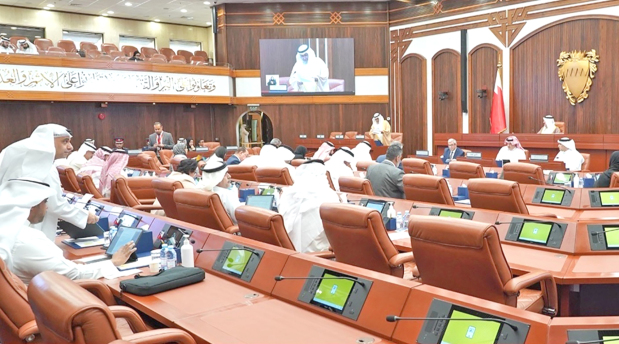
Five MPs, led by Jalal Al Kadhem, are seeking amendments to the 2012 Private Sector Employment Law, which will be debated and voted on during Tuesday’s weekly session.
They claim that the proposed amendments would ensure a better working environment in the private sector while also granting more rights for both Bahrainis and expatriate employees.
The current law states that higher privileges, even if not stated in the given articles, are considered as guaranteed rights for workers that employers cannot deny, unless mutually agreed otherwise.
Under the new amendments, an employee who is asked to do any work that’s not stated in their job contract would be eligible for additional pay.
The MPs clarified that overtime was different, with the amount being paid for additional hours put in during the week or for working on holidays.
Also, under the proposal, workers would be entitled to no less than 48 hours of rest (two-day weekend), with work over the five weekdays reaching up to 40 hours in total, and any extra hours calculated as overtime.
Workers are eligible for a two-day weekend; however, they can be called in by the employer even on a Friday, generally considered as a holiday, depending on operations and flow of work.
Meal, rest or prayer break would be an entitlement with it being considered as part of the eight-hour working day.
Maternity hours per working day should be determined through consent, rather than by force, by employers.
Sick leave would be guaranteed for employees from their first day without the employer dismissing or deducting from the wages, upon the presentation of a certificate from the Health Ministry.
Currently, employees are not eligible for sick leave with pay during their probation period (first three months).
The amendments would also entitle workers to an annual holiday of 30 working days rather than the current open 30 days without specifications.
Employees could seek a month’s wage, fully or partially if they choose to work, instead of taking their annual holiday, as stated in the current law, which MPs claim is not being implemented.
“There are currently loopholes in the law that some employers may use to exploit workers,” said Mr Al Kadhem.
“Better rights means a better working environment that ensures more productivity, which will benefit the whole sector,” he added.
“There has been a global debate on a three-day work week for private sector employees. Bahrain’s law still states that no less than 24 hours should be granted off during a week, and we believe, it should be no less than 48 hours.
“Most mothers, we understand, are unable to attend to their babies at home after pregnancy. Maternity hours should be determined through mutual consent, and granted at the beginning or end of the day.”
Mr Al Kadhem said prayer, meal or rest breaks should be part of the eight-hour schedule and this needs to be stated in the law.
“During probation period, an employee could suffer from an illness, they shouldn’t be forced to come to work during such emergencies, or face pay cuts. They should not be dismissed if they fail to show up.”
The Supreme Council for Women (SCW) and Bahrain’s two labour unions’ federations have backed the amendments.
The Bahrain Chamber, however, rejected them, describing the current law as balanced.
Parliament’s financial and economic affairs, and services committees have recommended the amendments be given the go ahead.
mohammed@gdnmedia.bh
&uuid=(email))