

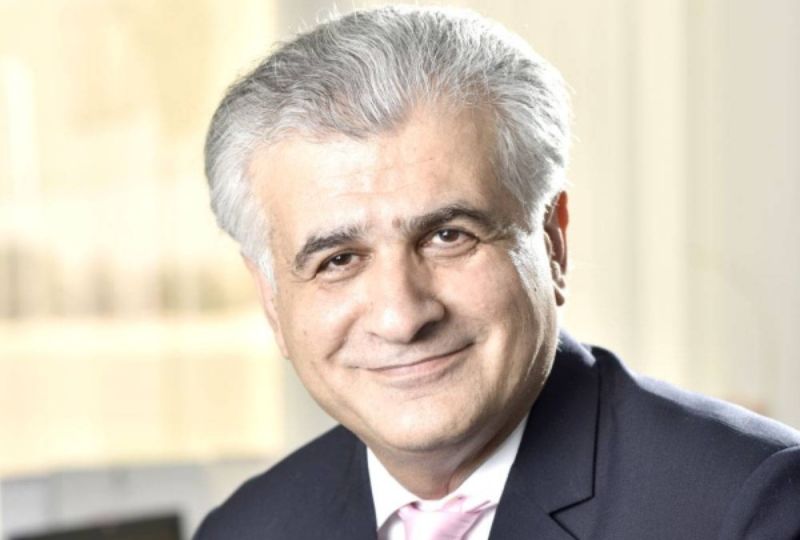
Artificial Intelligence (AI) is transforming the cybersecurity landscape, both in terms of protective tools and threats against corporations and individuals, according to a top Bahraini professional in the field.
During a keynote speech titled ‘Applications of AI in Cybersecurity’, Nasser Artificial Intelligence Research and Development Centre executive adviser and International Group of Artificial Intelligence president Dr Jassim Haji highlighted the ways the threats and tools in the field were being transformed.
“AI is changing the face of cybersecurity – both for criminals and for those defending against these attacks,” Dr Haji noted.
“In particular, generative AI is helping criminals create algorithms to attack systems, while predictive AI is being used to analyse attacks and provide insights.”
Amongst the additional ways that AI is being used by hackers is deploying machine learning to collect information about companies, employees and partners quickly, using algorithms to understand and replicate the pattern of automated messages sent by technology companies like Apple and Google, and bypassing security with fake voice commands and AI-generated facial imagery.
Dr Haji also noted that cybersecurity can also be bolstered to combat these new threats using AI-enabled detections and machine learning to analyse data and predict patterns to identify potential threats in real-time, as opposed to waiting for an update to be rolled out to remain effective against new threats.
He highlighted that adopting AI could increase Bahrain’s gross domestic product (GDP) by 8.2 per cent, citing a 2018 PwC report that AI could contribute up to $45.9 billion by 2030 in the economies of Bahrain, Kuwait, Oman and Qatar.
He also highlighted that AI is being used in a number of fields including prosecution to detect money laundering and fraud and predict illegal operations, as well as in auditing to improve the efficacy of human auditors.
According to National Cyber Security Centre chief executive Shaikh Salman bin Mohammed Al Khalifa, while AI is an emerging threat, there are more pressing current threats like phishing and ransomware attacks. He added that the NCSC is looking into mechanisms to detect such attacks, but highlighted that hackers continue to attack businesses and individuals through basic means like malware attacks and social engineering.
&uuid=(email))