

A disturbing practice of dumping livestock remains and carcasses in open farmland and near water channels in Hamala has triggered urgent calls for action from councillors, who warn the problem could worsen with Eid Al Adha approaching.
Residents and passers-by have complained of foul smells and distressing sights, with reports of people feeling sick after encountering piles of animal body parts left exposed for days following slaughter.
It is not the first time this issue has raised its ugly head and Northern Municipal Council vice-chairwoman and area councillor Zaina Jassim believes the current situation points to illegal abattoir activity spilling into agricultural areas. “What we’re seeing is not only a cleanliness issue, but a public health concern,” she said.
“Remains of slaughtered animals are being dumped onto open farmland and even close to water channels. The smell is unbearable and people have reported feeling sick, some have actually vomited and many have felt discomfort when passing through the area.”
She stressed that such practices violate environmental and public cleanliness laws and possibly pose risks to livestock kept nearby, as well as to residents.
“These are agricultural lands and livestock zones. They should be clean and safe, not turned into dumping grounds by violators operating outside the law.”
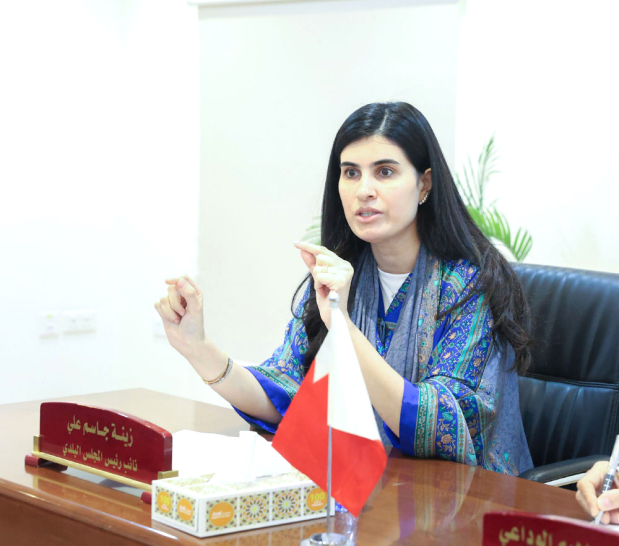
Ms Jassim
The council has formally contacted the Ministries of Municipalities Affairs and Agriculture, as well as Oil and Environment, seeking immediate action. Ms Jassim said stronger co-ordination between authorities was needed to identify the violators. “We need inspections, enforcement and penalties. This cannot be allowed to continue, especially in an area where farms, livestock and families coexist.
“These lands are meant for farming and livestock, not as hidden dumping grounds for unlawful practices.
“When animal remains are left exposed for days, the smell spreads across the area, insects gather, and even people passing in their cars feel nauseous. This is not an exaggeration – we have received direct complaints from residents who said they felt physically ill after passing by.
“The presence of such waste near water channels is even more alarming because it risks contaminating the surrounding environment and affecting nearby farms and animals. This behaviour is reckless, irresponsible and in clear violation of public cleanliness and environmental laws. We cannot allow a few violators to put the health of an entire community at risk.”
She said co-ordination between authorities must be strengthened before the holy season begins.
“With Eid Al Adha nearing, we know slaughter numbers will rise,” she added. “We need inspections, enforcement and strict penalties. People must understand that there are proper, approved facilities for slaughter and disposal. Anyone attempting to bypass the system to save time or money must face the consequences. Protecting Hamala’s environment is not optional – it is a duty we owe to residents, farmers and future generations.”
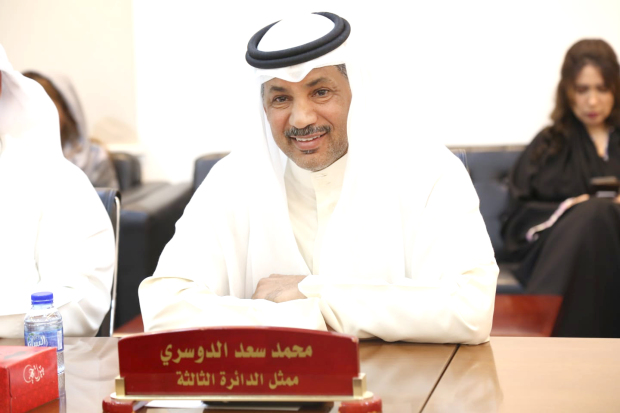
Mr Al Dossary
Councillor Mohammed Al Dossary, whose constituency includes parts of Hamala, warned that the timing was especially worrying.
“With Eid Al Adha approaching, we expect an increase in slaughter for sacrifices,” he said. “If this behaviour is not stopped now, we could see even more dumping in the coming weeks.”
He noted that illegal slaughterhouses often attempt to avoid proper waste disposal costs by discarding remains in remote areas.
“This is unacceptable. There are approved channels and facilities for slaughter and disposal. Anyone bypassing them must be held accountable.”
For Hamala residents, the hope is that swift intervention will restore cleanliness before the holy season begins and send a clear message that serious consequences await anyone who breaks the law of the land.
mohammed@gdnmedia.bh
&uuid=(email))