

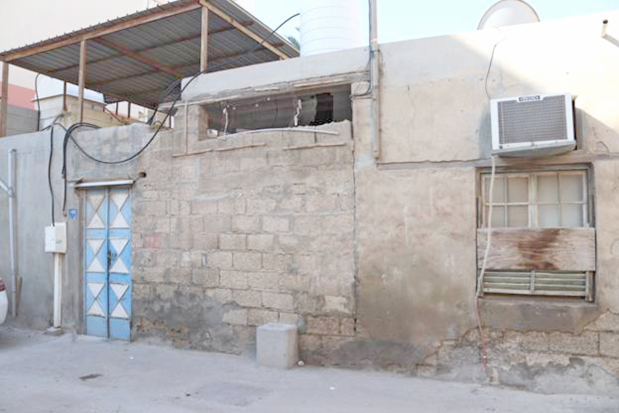
A proposal to fast-track the rehabilitation of houses belonging to low-income families in the Capital Governorate is gaining institutional backing, with stronger co-ordination now sought between government entities, civil society organisations and the private sector.
The initiative, unanimously approved by the Capital Trustees Board, calls for creating a practical framework for shared funding and co-operation to help reduce waiting lists and ensure safe, dignified housing for deserving families – particularly those living in dilapidated or structurally unsafe homes.
Capital Trustees Board financial, administrative and legislative committee chairman Mohammed Tawfeeq Al Abbas revealed yesterday that the board has received an official response from the Municipalities Affairs and Agriculture Ministry welcoming the proposal and recognising its social importance and its role in strengthening community partnership.
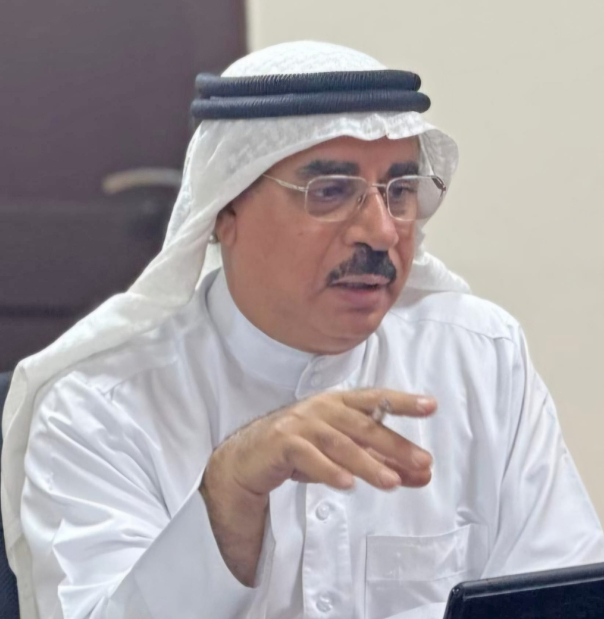
Mr Al Abbas
“The proposal reflects the board’s concern for the social dimension of municipal work and the importance of community partnership in addressing urgent housing needs,” Mr Al Abbas said.
He explained that the ministry’s response confirmed ongoing efforts to rehabilitate homes through the Villages and Cities Development Project, for which an annual budget is allocated.
Through this programme, a number of renovation requests submitted by municipal councils are already being implemented each year.
“The ministry affirmed that it shares the same objectives as the board and is studying mechanisms to activate the proposal in line with the applicable laws and regulations,” Mr Al Abbas said.
At the same time, he noted that the ministry clarified that the file concerning homes at risk of collapse has been transferred to the Housing and Urban Planning Ministry following a Cabinet decision, placing the matter under the remit of the competent authority.
“This clarification is important because it defines the roles of each entity and opens the door for stronger co-ordination rather than overlap,” he added.
Mr Al Abbas stressed that the board greatly values the positive engagement shown by the ministry and sees this as an opportunity to build a broader partnership that includes charities, community organisations and private companies willing to contribute to renovation and rebuilding efforts.
“We are looking at a model where official entities, civil society and the private sector can work together under a clear mechanism to accelerate home repairs and reconstruction for low-income families,” he said.
He pointed out that many families continue to live in unsafe housing conditions while waiting for assistance, and that reducing these waiting periods is a social and humanitarian priority.
“The aim is not only to shorten waiting lists, but to provide safe and dignified living conditions for families who deserve support,” Mr Al Abbas added.
He expressed hope that enhanced co-ordination between the relevant ministries, municipal bodies and community partners would translate into faster implementation on the ground.
“We highly appreciate the ministry’s responsiveness and look forward to greater co-ordination among all concerned parties to speed up renovation projects and achieve the desired improvements in the living standards of low-income families in the capital,” he said.
The proposal is seen as part of a wider effort by municipal bodies to move beyond traditional administrative roles and play a more active part in addressing pressing social issues through structured partnerships and innovative funding approaches.
mohammed@gdnmedia.bh
&uuid=(email))